







Infrastructure as Code (IaC): Best Practices for Scalable Enterprise Terraform
IaC Terraform
How enterprise DevOps teams manage multi-cloud infrastructure with reusable Terraform modules, secure remote state locking, and automated CI/CD compliance guardrails.
Custom-Built
Turning your unique business aspirations into technology designed specifically around them.
Cloud-Native
Building digital foundations designed to scale, adapt, and evolve as your ambitions grow.
AI-First
Bringing practical intelligence into your products and operations where it can create meaningful impact.
No Vendor Lock-In
Creating flexible technology that keeps your business in control of its systems, data, and future.

Key Architectural Takeaways
Critical implementation principles for engineering leadership and technical stakeholders.
Takeaway 01
Modular IaC Architecture: Creating reusable, versioned Terraform modules for VPCs, Kubernetes, and RDS.
Takeaway 02
Remote State Security & Locking: Storing state files in encrypted Amazon S3 buckets with DynamoDB mutex locking.
Takeaway 03
Automated Drift Detection: Scheduling daily cron jobs to detect and alert on unauthorized manual console changes.
In-Depth Architectural Analysis
Eliminating Manual Cloud Configuration Drift
Managing cloud infrastructure through web consoles (AWS Management Console, Azure Portal) is an anti-pattern that leads to 'snowflake' servers, undocumented security vulnerabilities, and irreproducible environments. When a disaster strikes or a new staging cluster is required, manual setups take weeks to recreate and inevitably introduce subtle configuration mismatches.
Infrastructure as Code (IaC) treats infrastructure provisioning with the same rigor as software development: written in declarative code, versioned in Git, tested in CI/CD, and deployed automatically.
Reusable, Versioned Terraform Modules
Enterprise Terraform implementations enforce clean separation between module definitions and environment invocations:
- Core Infrastructure Modules: Standardized, versioned definitions for VPC subnets, transit gateways, IAM roles, and security groups published to a private Terraform Registry.
- Environment Roots: Clean repository directories for Dev, Staging, and Production that instantiate approved module versions with environment-specific variable configurations.
Remote State Governance & Mutex Locking
Terraform state files contain sensitive metadata, IP mappings, and credential references. Enterprise pipelines store state files in encrypted Amazon S3 buckets with bucket versioning enabled, enforcing DynamoDB table locks to prevent simultaneous write collisions during team deployments.
DevSecOps Standard: Automated pull request checks run tfsec and checkov to detect insecure open security groups or unencrypted storage volumes before Terraform plan execution.
Explore our cloud infrastructure deployment and Terraform services to automate your environments.
Explore Related Publications
Actionable guides designed to help technical leaders make confident engineering decisions.

Autonomous AI Agents for Business: Architecture, LLM Tool Calling & Production Guide
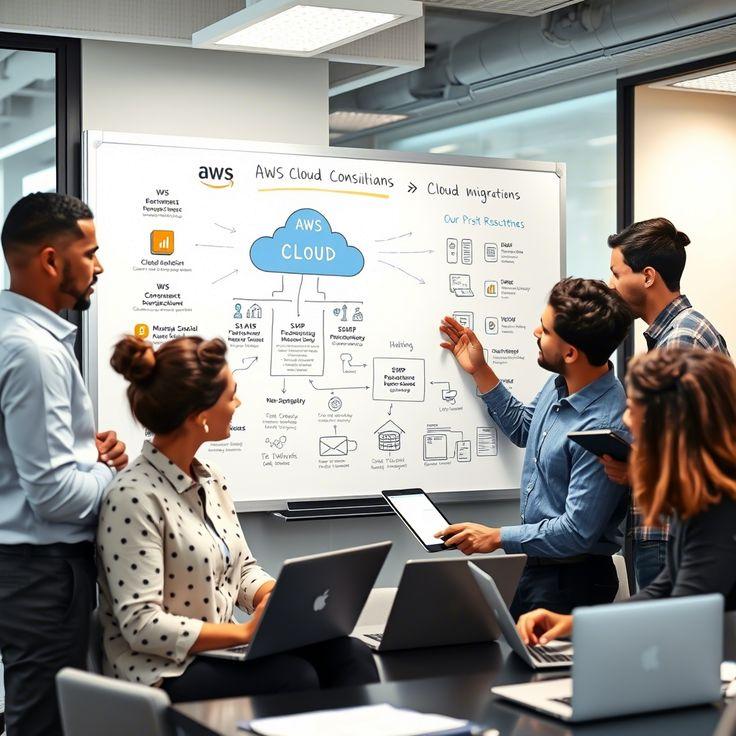
Enterprise Cloud Migration Strategy: The Step-by-Step AWS, Azure & GCP Playbook

Bespoke Custom Software Architecture: Build vs. Buy Framework & Scalability Guide
Start With a Conversation
Connect with the Anvelos engineering team to discuss your software, AI, cloud, or digital transformation requirements. We’ll understand your business objectives, technical constraints, and priorities before outlining a practical path toward implementation.