







Enterprise LLM Integration: Advanced RAG, Fine-Tuning & Semantic Caching Architecture
LLM Orchestration
A production engineering guide to integrating frontier Large Language Models with enterprise data stores, applying Low-Rank Adaptation (LoRA) fine-tuning, and enforcing strict data security guardrails.
Custom-Built
Turning your unique business aspirations into technology designed specifically around them.
Cloud-Native
Building digital foundations designed to scale, adapt, and evolve as your ambitions grow.
AI-First
Bringing practical intelligence into your products and operations where it can create meaningful impact.
No Vendor Lock-In
Creating flexible technology that keeps your business in control of its systems, data, and future.

Key Architectural Takeaways
Critical implementation principles for engineering leadership and technical stakeholders.
Takeaway 01
Fine-Tuning vs. Advanced RAG: Deciding when to adapt model weights vs. when to enrich contextual prompts dynamically.
Takeaway 02
Semantic Prompt Caching: Slashing LLM inference latency and token costs by up to 75% via Redis vector caches.
Takeaway 03
Enterprise PII Redaction: Implementing automated client-side data tokenization before sending payloads to model APIs.
In-Depth Architectural Analysis
Moving from Consumer Prompts to Enterprise LLM Backends
Integrating generative AI models into enterprise transactional backends requires solving three formidable engineering challenges: high inference latency, unpredictable API token costs, and data leakage risks. Simply making raw HTTP calls to commercial LLM endpoints without architectural middleware is unsustainable in mission-critical applications.
Enterprise LLM architectures implement an intermediary orchestration gateway that governs model selection, cost optimization, data security, and deterministic output validation.
Semantic Caching with Redis & Vector Similarity
In enterprise customer support, internal search, and document summarization, users frequently submit queries with identical semantic meaning phrased differently. Raw API forwarding incurs repetitive token costs and latency delays. Deploying a semantic caching layer with Redis stores prompt embeddings; queries exceeding a 95% cosine similarity threshold return cached responses in under 15ms, reducing API billing by up to 75%.
LoRA Parameter-Efficient Fine-Tuning
When enterprises require specialized domain vocabulary (medical jargon, legal contract schemas, proprietary internal programming languages), generic foundation models fall short. Rather than retraining entire multi-billion parameter models, engineering teams utilize Low-Rank Adaptation (LoRA) and QLoRA to freeze base model weights and train lightweight adapter layers efficiently.
Compliance Directive: All enterprise LLM requests must pass through automated tokenization and PII masking filters (Presidio or custom regex) to ensure sensitive customer identifiers never leave enterprise trust boundaries.
Discover our enterprise LLM integration and machine learning services.
Explore Related Publications
Actionable guides designed to help technical leaders make confident engineering decisions.

Autonomous AI Agents for Business: Architecture, LLM Tool Calling & Production Guide
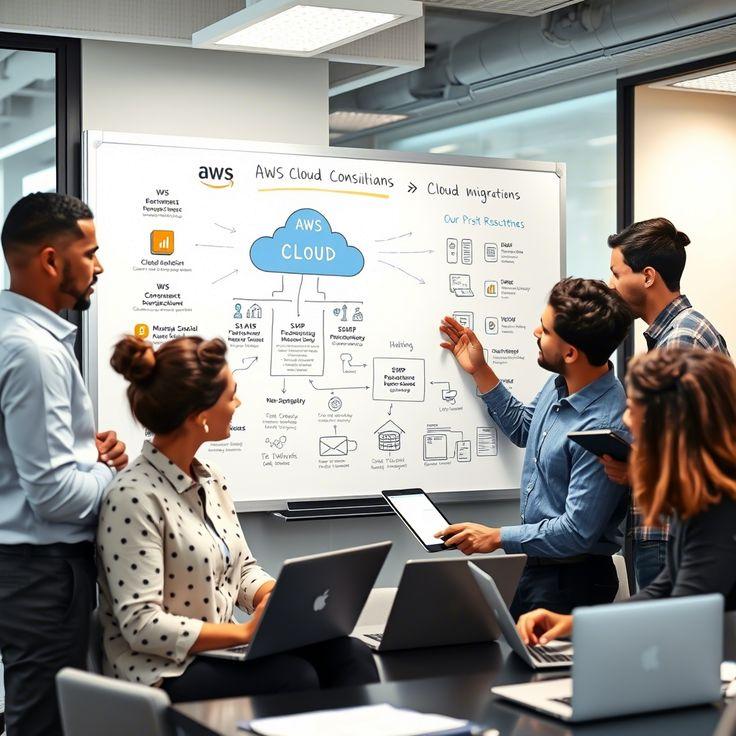
Enterprise Cloud Migration Strategy: The Step-by-Step AWS, Azure & GCP Playbook

Bespoke Custom Software Architecture: Build vs. Buy Framework & Scalability Guide
Start With a Conversation
Connect with the Anvelos engineering team to discuss your software, AI, cloud, or digital transformation requirements. We’ll understand your business objectives, technical constraints, and priorities before outlining a practical path toward implementation.